Choose a performance marketing course on five things: a syllabus that covers Google Ads, Meta Ads, LinkedIn Ads and ABM, AI content generation and content strategy, and measurement (GA4, GTM and conversion tracking) together; practical work on real ad accounts with feedback; a schedule you can keep up for the full duration; a total cost that includes ad spend and taxes; and career support that is written down, with no unconditional job guarantee. Ask every provider the same twelve questions below and compare the written answers.
What should a good performance marketing course in India include?
Five criteria cover most of the decision. Each one has its own detailed guide in this series.
A syllabus that connects platforms to measurement
Google Ads and Meta Ads are expected. For B2B roles, LinkedIn Ads and account-based marketing (ABM) matter as much, and AI content generation and content strategy now sit inside most campaign work. The test is whether GA4, Google Tag Manager, conversion tracking and ROI maths are taught inside those modules, not as a separate afterthought. Read the syllabus guide for a module-by-module benchmark.
Fees you can compare like for like
Quoted fees rarely include ad spend, GST or certification exam costs. Work out the total cost and the cost per live, reviewed hour. The fees guide shows how, and what you can learn free first.
A format you can sustain
A course you drop in week five is worth nothing. Match live versus self-paced, weekday versus weekend and total duration to your working week. See the guide for working professionals.
Practical work that produces evidence
You should finish with campaigns you ran, decisions you can defend and a portfolio. The practical training guide explains live campaigns versus simulations and what a portfolio should contain.
Career support you can verify
Placement assistance and placement guarantees are different promises. The placement guide lists what to check in writing before you pay.
If you are still deciding whether performance marketing is the right career at all, start with our guide on how to start a career in performance marketing, then come back to this checklist.
How do the main types of performance marketing course compare?
Course types differ mainly in feedback and accountability. The tools taught are often similar.
| Course type | Best for | Practical work | Feedback | Career support | Relative cost |
|---|---|---|---|---|---|
| Free platform learning | Learning platform mechanics before paying | Usually none on real accounts | None | None | Free |
| Recorded self-paced course | Disciplined learners on irregular schedules | Assignments, rarely on live accounts | Limited or community-based | Varies, often minimal | Low |
| Live online cohort | Working professionals who want structure | Can include live campaigns | Direct from the trainer if batches are small | Varies; check in writing | Mid |
| Classroom programme | Learners who can attend in person on fixed days | Varies widely | Direct | Varies | Mid to high |
| University or institute diploma | Learners who want a formal academic credential | Often theory-heavy | Scheduled assessments | Institutional placement cell, if any | High |
Relative cost is indicative. Prices change by city and provider, so compare the actual quotes you receive.
What questions should you ask before paying for a course?
Send these to every shortlisted provider and ask for written answers. Vague answers are an answer too.
- Which modules cover GA4, GTM and conversion tracking, and in which weeks?
- Are LinkedIn Ads, ABM and AI content generation taught, or only Google and Meta?
- Does the course cover CRM, lead scoring and consent under the DPDP Act?
- Will I run campaigns on real Google and Meta accounts, and who pays the ad spend?
- How many learners are in a batch, and who reviews my work?
- Are sessions live, recorded or both? What happens if I miss one?
- What is the total cost including GST, ad spend and any certification exam fees?
- Is there an EMI option, and what is the refund policy before and after the start date?
- Who is the trainer, and are they running live accounts today?
- What will I have at the end: a certificate, a portfolio, live campaign results?
- Which platform certifications does the course prepare me for?
- What does “placement assistance” include, and is anything guaranteed?
- Is there an internship, and how are learners selected for it?
- Can I speak to two past learners before enrolling?
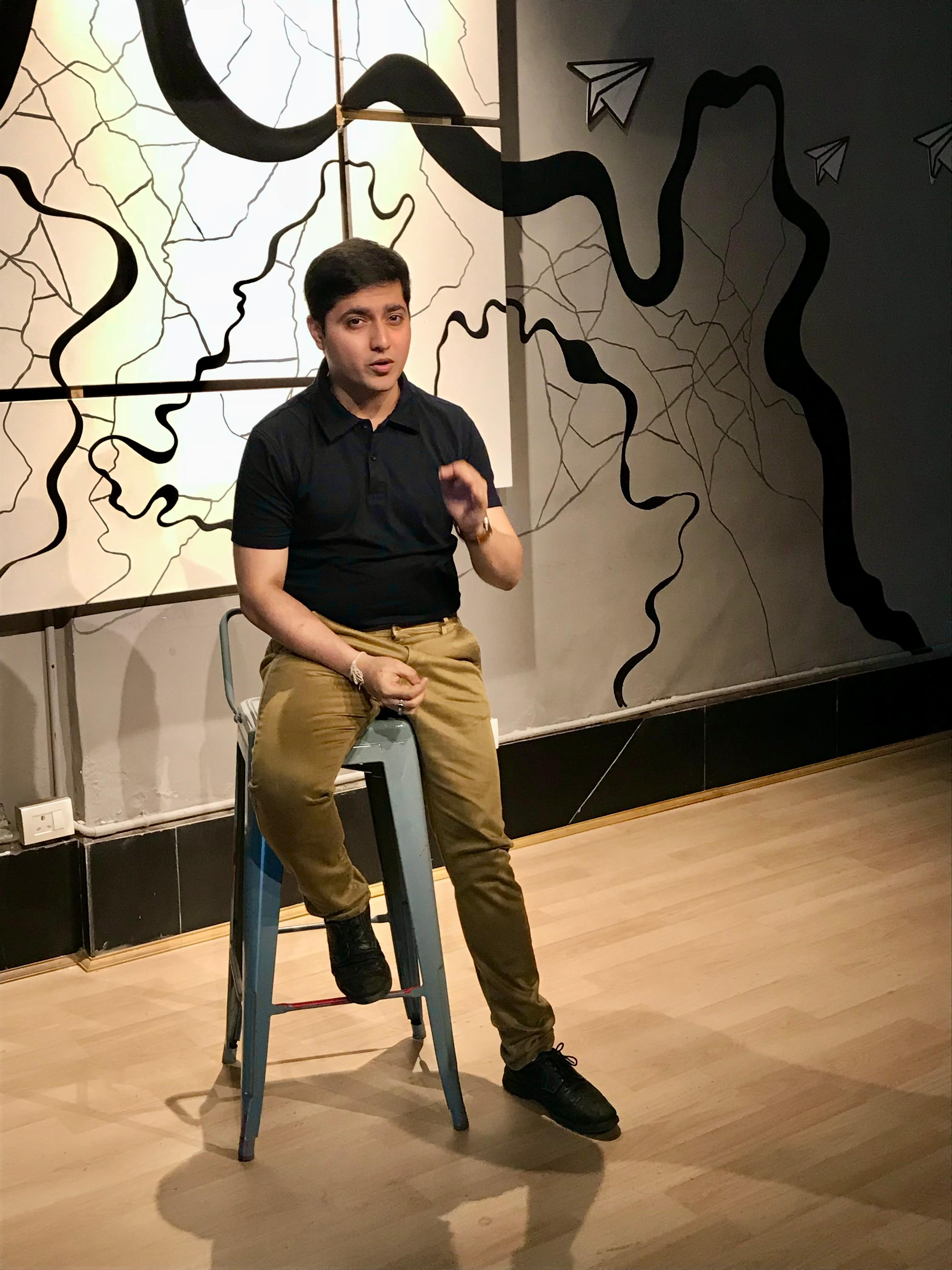
13 weeks, 78 live hours, batches of 12. Google Ads, Meta Ads, LinkedIn Ads and ABM, GA4 and GTM, and AI content generation and strategy, with two live campaigns and a portfolio. Led by Nitin Raghani. Next cohort mid-October 2026.
What do agencies look for when hiring from a course?
NPR Design has run paid media for clients since 2008, and we interview junior performance marketers regularly. The candidates who stand out are rarely the ones with the most certificates. They are the ones who can open a campaign they ran, explain why they changed the budget, and tell us why Meta Ads Manager and GA4 report different conversion numbers.
A small campaign run on a real account, with honest results and a clear write-up, tells us more than a large simulated account. When you compare courses, ask what you will be able to show an interviewer, not only what you will learn.
Which guide should you read next?
Each guide answers one question, so you can go straight to the one that is blocking your decision.
How does the NPR Performance Marketing Accelerator measure against this checklist?
We built the NPR Performance Marketing Accelerator around the same checklist. It runs for 13 weeks and 78 live hours across 10 modules, with two sessions a week (Saturday and one weekday, three hours each) and recordings on the LMS. There is one in-person session a month at our Andheri West office in Mumbai. Batches are capped at 12 learners. The syllabus covers Google Ads, Meta Ads (including Click-to-WhatsApp), LinkedIn Ads and signal-based ABM, GA4 and GTM, AI content generation and content strategy, agentic AI, CRM and marketing automation with DPDP Act compliance, and SEO, GEO and AEO.
Learners run two live campaigns on their own ad accounts in the Live Campaign Lab (weeks 4 to 10), with ₹3,000 to 5,000 of ad spend paid directly to the platforms. The course ends with a 12-piece portfolio and a War Room evaluation. Fees start at ₹35,000 with EMI options. There is no job guarantee; learners selected on their War Room performance are offered a one-month online agency experience at NPR Design.
Frequently asked questions
What is the most important factor when choosing a performance marketing course?
Practical work on real ad accounts with feedback from someone who runs campaigns today. Most courses teach similar tools, so the difference is whether you finish with campaigns you ran, decisions you can explain and a portfolio you can show.
Is a performance marketing course better than learning free online?
Free platform training teaches how the tools work. A good paid course adds sequencing, feedback on your work, live practice and career support. Many learners start with free Google and Meta training, then pay for structured practice once they know the basics.
How long should a performance marketing course be?
Long enough to include live campaigns and time to read their results. Around three months of part-time study is a common length for a course that covers Google Ads, Meta Ads, LinkedIn Ads, tracking, AI content and reporting with practical work.
Do performance marketing courses in India guarantee jobs?
Some advertise guarantees, but they usually come with conditions. Placement assistance, meaning CV help, interview preparation and referrals, is more common. Ask for the terms in writing and ask how outcome figures are calculated.
What should I have at the end of a performance marketing course?
Live campaign results on real accounts, a portfolio that documents your decisions, preparation for Google Ads and Meta certifications, and the ability to explain tracking and ROI in an interview.
13 weeks, 78 live hours, batches of 12. Google Ads, Meta Ads, LinkedIn Ads and ABM, GA4 and GTM, and AI content generation and strategy, with two live campaigns and a portfolio. Led by Nitin Raghani. Next cohort mid-October 2026.