Practical performance marketing training means running or analysing real campaigns, getting feedback from someone who runs accounts, and documenting your decisions. The strongest combination is small-budget live campaigns on your own ad accounts, simulations for scenarios you cannot afford to run, structured case-study analysis and regular mentor review. A hiring-ready portfolio shows around 8 to 12 pieces of work that explain what you decided and why, not only screenshots of results.
This guide is part of our series on how to choose a performance marketing course in India. It answers one question in depth; the overview covers the full checklist.
What counts as hands-on performance marketing training?
Four kinds of practice, in order of how much they teach:
- Live campaigns on real accounts with real spend, however small.
- Audits of real accounts or websites, with written recommendations.
- Simulations using sample data or sandbox accounts.
- Case-study analysis of published campaigns.
Watching a trainer build a campaign on screen is a demonstration, not practice. This guide covers how to practise; the syllabus guide covers what the practice should be about.
Live campaigns or simulations: which is better?
| Factor | Live campaigns | Simulations |
|---|---|---|
| Cost | Real ad spend, even if small | None |
| Learning | Real auctions, real delays, real mistakes | Controlled, predictable |
| Tracking practice | Full setup, including errors to fix | Often skipped |
| Scale | Small budgets only | Can model large budgets |
| Portfolio value | High: verifiable results | Moderate: shows process |
Use both. Live campaigns teach judgement under uncertainty. Simulations let you practise scaling decisions you will not get to make with ₹4,000.
How should mentor feedback work?
- Feedback on your actual account or file, not general comments to the batch
- Review at least weekly while campaigns are live
- Specific questions: why this bid strategy, why this audience, what would you change?
- A small batch, so the trainer has time to review everyone
- Written notes you can refer back to
How do you analyse a performance marketing case study?
Use the same six questions for every case study, including your own:
| Question | What to look for |
|---|---|
| Context | Business, market, starting point |
| Goal | The one metric that defined success |
| Constraint | Budget, margin, tracking limits, time |
| Decision | What was changed, and why |
| Result | Numbers, with the time period and attribution stated |
| What next | What you would test or change now |
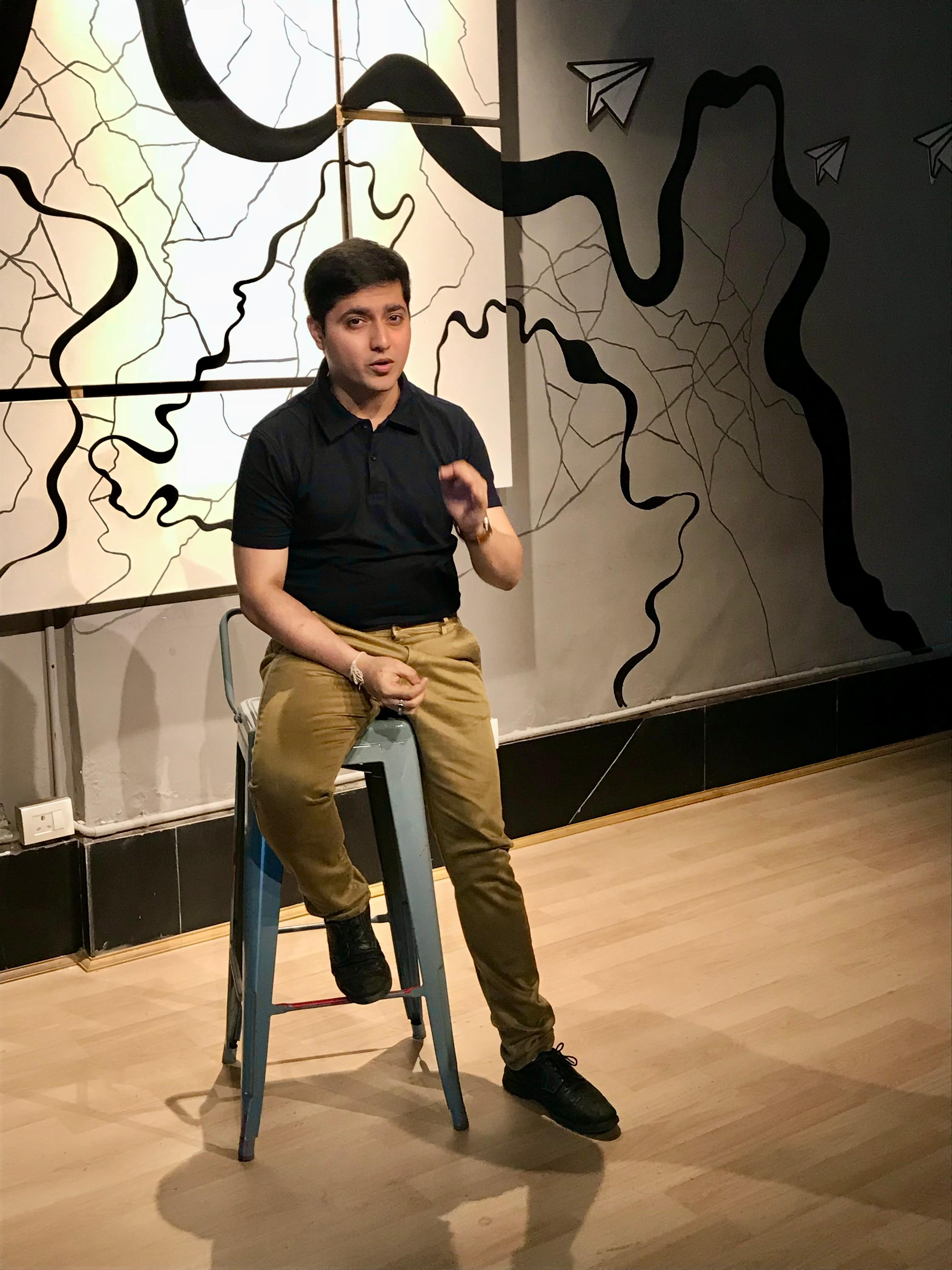
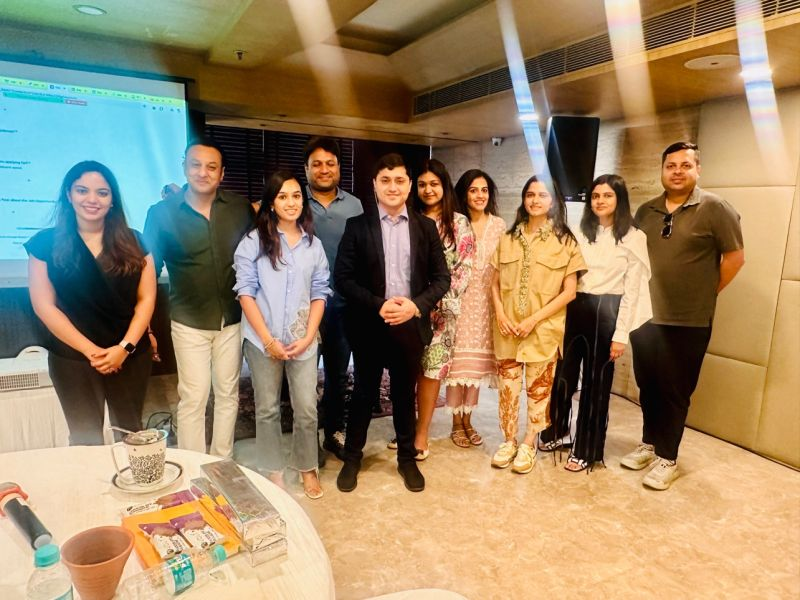
13 weeks, 78 live hours, batches of 12. Google Ads, Meta Ads, LinkedIn Ads and ABM, GA4 and GTM, and AI content generation and strategy, with two live campaigns and a portfolio. Led by Nitin Raghani. Next cohort mid-October 2026.
What should a performance marketing portfolio include?
This is the portfolio we would like to see from a junior candidate:
- An account or website audit with prioritised fixes
- A tracking plan with GA4 events and GTM tags
- A media plan with budget split and the reasoning behind it
- A Google Search campaign build
- A Meta campaign with a creative test matrix
- A LinkedIn ABM plan for a target account list
- An AI content set: prompts, generated variants and your edits, mapped to a content strategy
- A lead scoring model and a nurture flow with consent checkpoints
- A landing page teardown
- A weekly performance report
- A monthly insight summary
- A budget reallocation note: what you moved and why
- A reconciliation of platform versus GA4 conversions
- A post-mortem on something that did not work
- One live campaign write-up with real numbers
The portfolios that convince us are honest about scale. A ₹4,000 campaign that produced 11 leads, with a clear explanation of what the candidate would change, is more credible than a claim of “10x ROAS” with no context. Interviewers check. Show the numbers, the time period and your reasoning, and include at least one thing that failed.
How should you present small-budget results?
- State the spend, time period and platform for every result
- Explain the goal before the outcome
- Show what you learned, not only what went well
- Remove client names or data unless you have written permission
- Keep each piece to one or two pages
Practical work is one of five criteria in our course selection guide. If you are comparing courses on job outcomes, read the placement assistance guide next.
How does practical training work on the NPR course?
In the NPR Performance Marketing Accelerator Live Campaign Lab, learners run two live campaigns on their own Meta and Google accounts during weeks 4 to 10, with suggested ad spend of ₹3,000 to 5,000 paid directly to the platforms. Batches are capped at 12, so the trainer reviews each learner’s work directly. The course ends with a 12-piece portfolio and a War Room evaluation where learners defend their decisions. Assignments also cover signal-based ABM and LinkedIn planning, AI content generation within a content strategy, lead scoring and nurture flows.
Frequently asked questions
What is practical performance marketing training?
Training where you run or analyse real campaigns, get feedback from a practitioner and document your decisions, rather than only watching demonstrations.
Are live campaigns better than simulations?
Live campaigns teach judgement with real auctions and tracking; simulations let you practise decisions at scale. The best training uses both.
How much ad spend do I need for practice campaigns?
A few thousand rupees is enough to learn. The NPR course suggests ₹3,000 to 5,000 across its live campaigns, paid directly to the platforms.
What should a performance marketing portfolio include?
Audits, a tracking plan, a media plan, campaign builds, reports, a platform-versus-GA4 reconciliation, a post-mortem and at least one live campaign write-up with real numbers.
Can I use client or employer data in my portfolio?
Only with written permission. Otherwise anonymise it or use your own campaigns.
13 weeks, 78 live hours, batches of 12. Google Ads, Meta Ads, LinkedIn Ads and ABM, GA4 and GTM, and AI content generation and strategy, with two live campaigns and a portfolio. Led by Nitin Raghani. Next cohort mid-October 2026.